
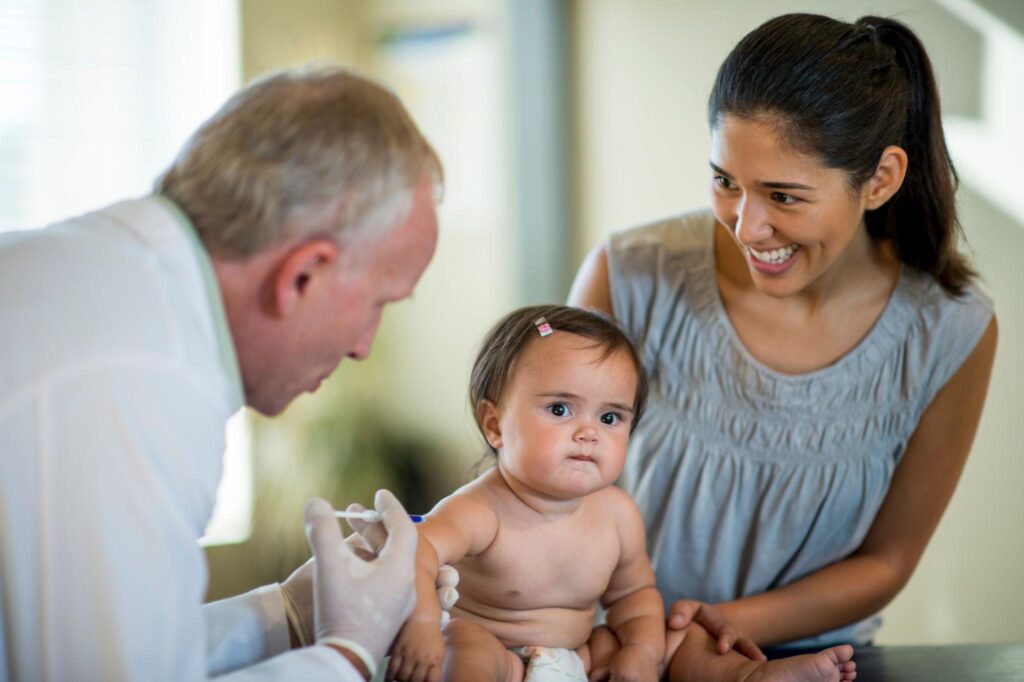
Bringing a baby home comes with many responsibilities, and one of the most important is following the baby vaccination schedule India recommends. Vaccines protect infants from serious diseases that once caused thousands of child deaths every year. Parents can also read our guide on Newborn Baby Care Tips and How Often Should You Feed a Newborn? to support their baby’s healthy development.
According to the World Health Organization (WHO), immunization prevents approximately 3.5 to 5 million deaths globally each year from diseases such as diphtheria, tetanus, pertussis, influenza, and measles.
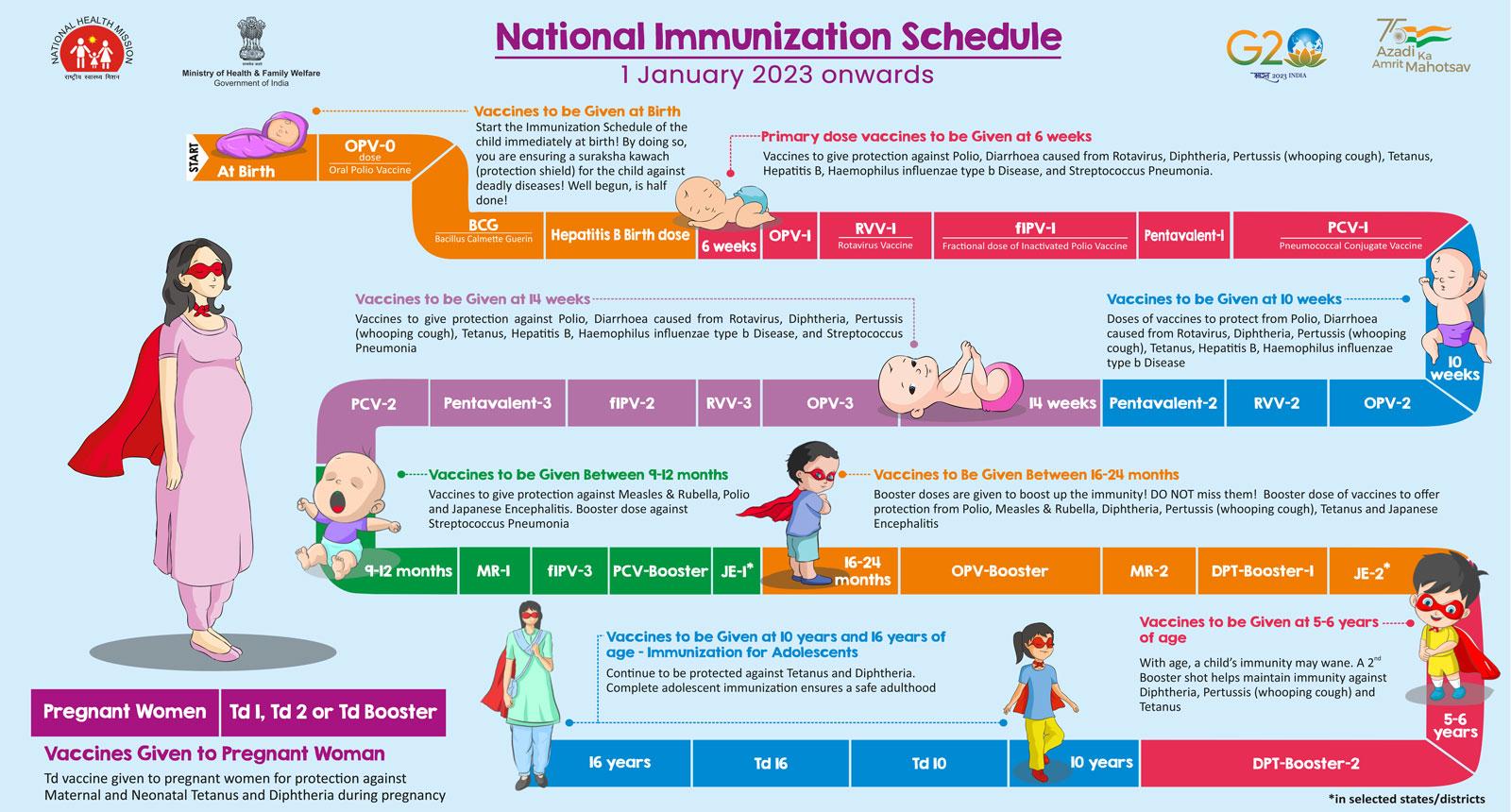
In India, vaccines are provided through the National Immunization Schedule (NIS) under the Universal Immunization Programme (UIP). Pediatricians may also recommend additional vaccines based on the Indian Academy of Pediatrics (IAP) schedule.
This guide explains the complete baby vaccination schedule India follows in 2026, from birth until 24 months of age. Understanding the baby vaccination schedule India recommends can help parents protect their children from preventable diseases and ensure timely immunization during the first two years of life.
Why Vaccination Is Important for Babies
A newborn’s immune system is still developing. Vaccines train the immune system to recognize and fight harmful viruses and bacteria before they cause severe illness. Following the baby vaccination schedule India follows not only protects individual children but also contributes to community immunity and disease prevention.
Benefits of Vaccination
✓ Protects against life-threatening diseases
✓ Reduces hospitalization risk
✓ Prevents disease outbreaks
✓ Supports community immunity
✓ Lowers long-term healthcare costs
According to NFHS-5, India’s full immunization coverage among children aged 12–23 months reached approximately 76.4%, showing significant progress in child healthcare.
What Is the National Immunization Schedule (NIS)?
The National Immunization Schedule (NIS) is India’s official vaccination roadmap developed by the Ministry of Health and Family Welfare. The baby vaccination schedule India uses under the National Immunization Schedule ensures that every child receives essential vaccines at the right age.
It is implemented through the Universal Immunization Programme (UIP), one of the world’s largest public immunization programs.
The schedule helps protect children against:
- Tuberculosis
- Polio
- Hepatitis B
- Diphtheria
- Pertussis
- Tetanus
- Pneumonia
- Rotavirus diarrhea
- Measles
- Rubella
- Japanese Encephalitis
Baby Vaccination Schedule at Birth (0–24 Hours)
The first stage of the baby vaccination schedule India recommends begins immediately after birth with vaccines that provide protection against tuberculosis, polio, and hepatitis B.
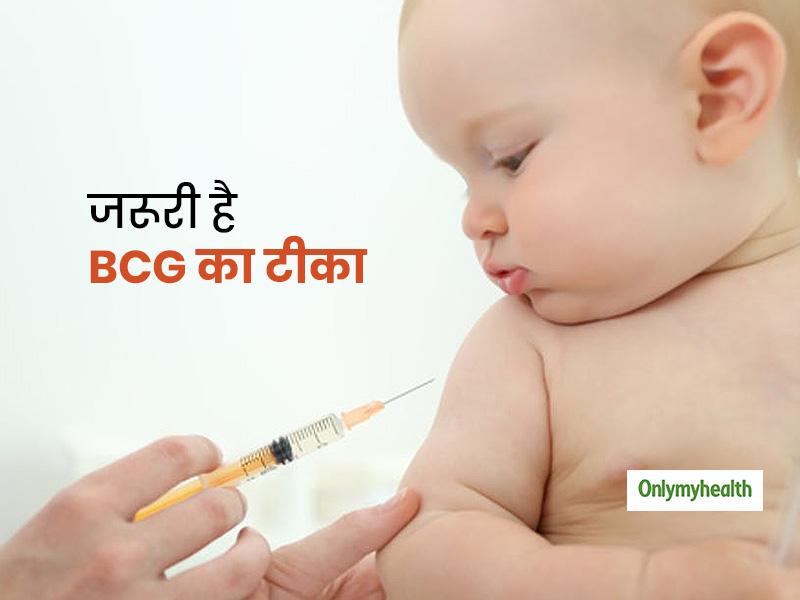
The first vaccines should ideally be administered within 24 hours after birth.
| Vaccine | Disease Prevented |
| BCG Vaccine | Tuberculosis |
| OPV-0 | Polio |
| Hepatitis B Birth Dose | Hepatitis B |
BCG Vaccine
BCG protects babies from severe forms of tuberculosis, particularly TB meningitis.
Oral Polio Vaccine (OPV)
India was declared polio-free in 2014, but vaccination remains essential to maintain protection.
Hepatitis B Vaccine
The birth dose reduces mother-to-child transmission of hepatitis B infection.
Baby Vaccination Schedule at 6, 10 and 14 Weeks
These appointments are critical because they provide protection against several diseases at once. This phase of the baby vaccination schedule India follows is critical because it protects babies against several serious bacterial and viral infections.
At 6 Weeks
- Pentavalent Vaccine 1
- OPV 1
- IPV 1
- Rotavirus Vaccine 1
- PCV 1
At 10 Weeks
- Pentavalent Vaccine 2
- OPV 2
- Rotavirus Vaccine 2
At 14 Weeks
- Pentavalent Vaccine 3
- OPV 3
- IPV 2
- Rotavirus Vaccine 3
- PCV 2
What Is the Pentavalent Vaccine?
The pentavalent vaccine protects against:
- Diphtheria
- Pertussis (Whooping Cough)
- Tetanus
- Hepatitis B
- Hib Infection
Rotavirus Vaccine
Rotavirus is one of the leading causes of severe diarrhea in infants. Vaccination significantly reduces hospitalization risk.
Pneumococcal Conjugate Vaccine (PCV)
PCV helps prevent:
- Pneumonia
- Meningitis
- Bloodstream infections
Vaccination Schedule for Babies Aged 6–12 Months
Parents should continue following the baby vaccination schedule India recommends during this period to ensure their child receives protection against measles and rubella.
At this stage, babies begin receiving vaccines that protect against highly contagious viral diseases.
| Age | Vaccines |
| 9 Months | MR Vaccine, Vitamin A |
| 9–12 Months | JE Vaccine (selected areas) |
Measles-Rubella (MR) Vaccine
The Measles-Rubella Vaccine protects against:
- Measles
- Rubella
Measles can lead to serious complications such as pneumonia and brain inflammation.
Japanese Encephalitis Vaccine
This vaccine is recommended in JE-endemic districts across India.
Vaccination Schedule for Children Aged 12–24 Months
Booster doses remain an important part of the baby vaccination schedule India follows and help maintain long-term immunity.

Toddlers require booster doses to maintain immunity developed during infancy.
| Age | Vaccines |
| 12 Months | MMR |
| 12–15 Months | PCV Booster |
| 15–18 Months | DPT Booster, OPV Booster |
| 16–24 Months | MR Second Dose |
Why Are Booster Doses Necessary?
Booster vaccines:
- Strengthen immunity
- Improve long-term protection
- Reduce risk of breakthrough infections
Additional Vaccines Recommended by the Indian Academy of Pediatrics (IAP)
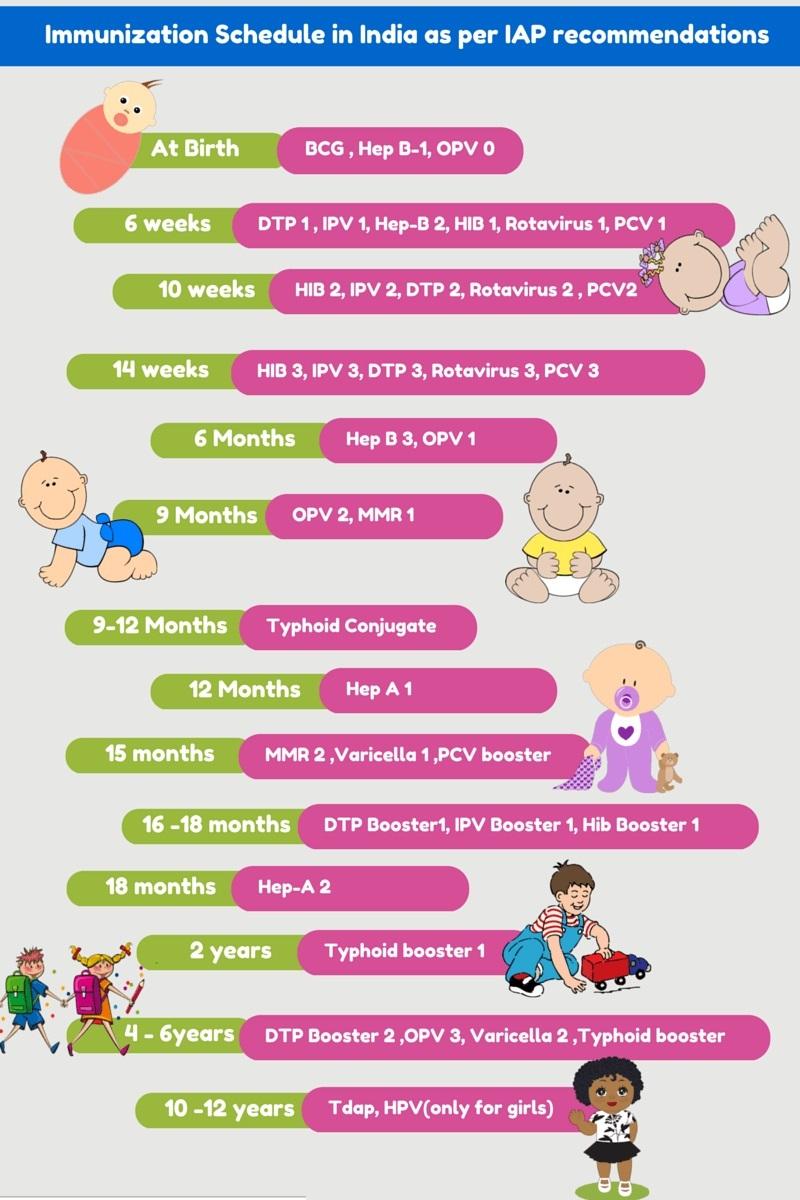
While the National Immunization Schedule focuses on essential vaccines, the Indian Academy of Pediatrics (IAP) recommends additional vaccines for broader protection.
| Vaccine | Protects Against |
| Hepatitis A | Hepatitis A |
| Typhoid Conjugate Vaccine | Typhoid |
| Varicella Vaccine | Chickenpox |
| Influenza Vaccine | Seasonal Flu |
| HPV Vaccine | Human Papillomavirus |
Consult your pediatrician regarding these optional vaccines.
Government Schedule vs IAP Schedule
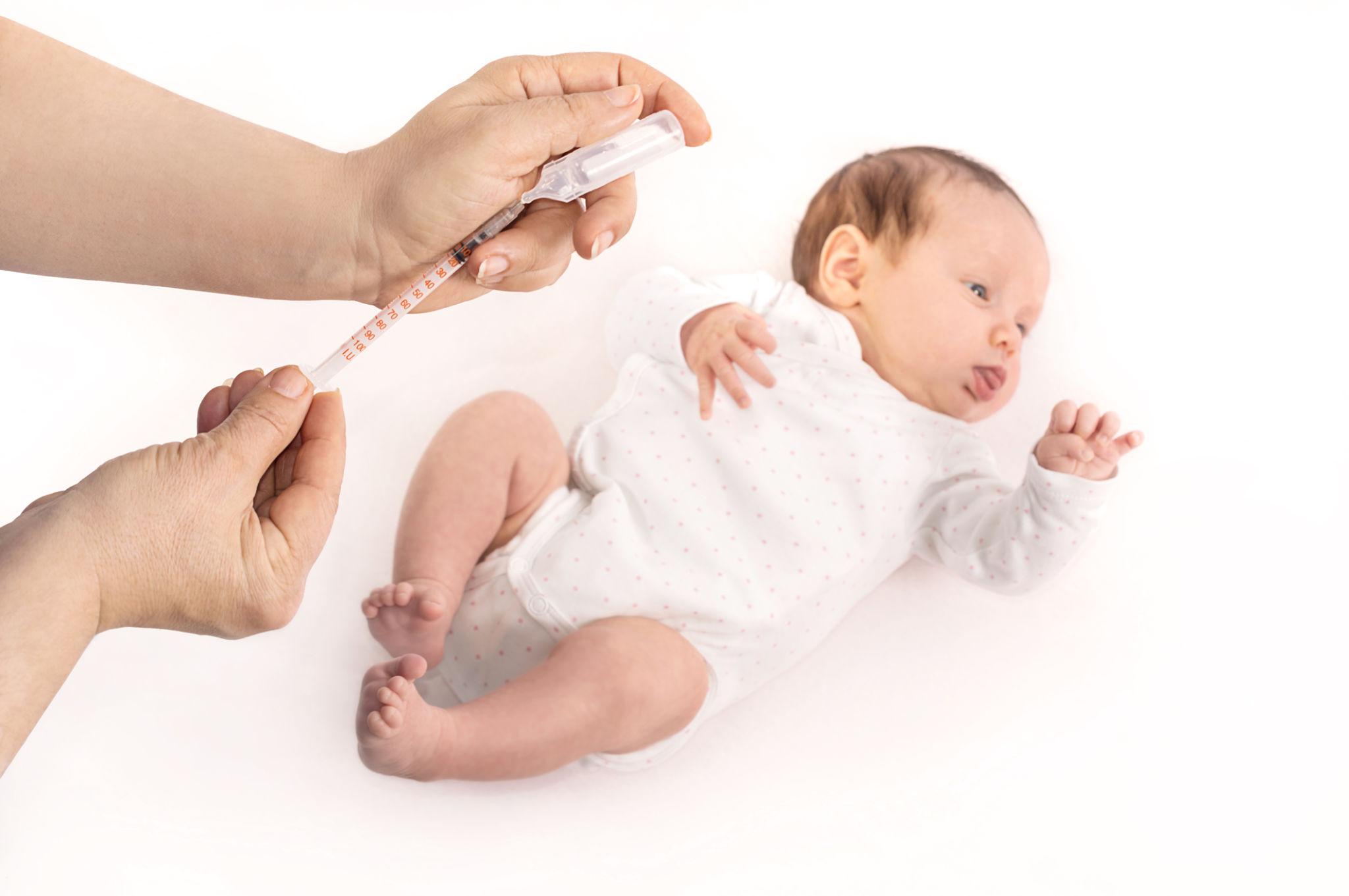
Both schedules support the overall baby vaccination schedule India framework and aim to improve child health outcomes.
| National Immunization Schedule | IAP Schedule |
| Free through government facilities | Mostly private clinics |
| Essential vaccines | Essential + additional vaccines |
| Public health focus | Individual protection focus |
| Available nationwide | Pediatrician-guided |
Both schedules are scientifically validated and safe.
Quick Reference: Complete Baby Vaccination Chart India (2026)
| Age | Vaccines |
| Birth | BCG, OPV-0, Hepatitis B |
| 6 Weeks | Pentavalent-1, OPV-1, IPV-1, Rotavirus-1, PCV-1 |
| 10 Weeks | Pentavalent-2, OPV-2, Rotavirus-2 |
| 14 Weeks | Pentavalent-3, OPV-3, IPV-2, Rotavirus-3, PCV-2 |
| 9 Months | MR, Vitamin A |
| 12 Months | MMR |
| 12–15 Months | PCV Booster |
| 15–18 Months | DPT Booster, OPV Booster |
| 16–24 Months | MR Second Dose |
Baby Vaccination Schedule in India (Birth to 5 Years)
| Age | Vaccine |
|---|---|
| Birth | BCG, OPV, Hepatitis B |
| 6 Weeks | DPT, IPV, Rotavirus |
| 10 Weeks | DPT, IPV, Rotavirus |
| 14 Weeks | DPT, IPV, Rotavirus |
| 9 Months | Measles-Rubella |
| 12-15 Months | MMR |
| 16-24 Months | DPT Booster |
| 4-6 Years | DPT Booster |
Optional Vaccines Recommended by Pediatricians
- Chickenpox
- Hepatitis A
- Influenza
- Typhoid
Side Effects After Vaccination
Normal:
- Mild fever
- Swelling
- Sleepiness
- Fussiness
When to Contact Your Doctor
Seek medical help if:
- High fever
- Persistent crying
- Difficulty breathing
- Severe allergic reactions
Frequently Asked Questions
What is the vaccination schedule for a child in India?
The vaccination schedule begins at birth with BCG, OPV, and Hepatitis B vaccines and continues through infancy and toddlerhood with Pentavalent, Rotavirus, PCV, MR, MMR, and booster doses.
Which vaccines are given to infants in India?
Infants typically receive:
- BCG Vaccine
- Oral Polio Vaccine (OPV)
- Hepatitis B Vaccine
- Rotavirus Vaccine
- Pentavalent Vaccine
- PCV Vaccine
- MR Vaccine
What are the 7 types of vaccines?
The major categories include:
- Live Attenuated Vaccines
- Inactivated Vaccines
- Subunit Vaccines
- Toxoid Vaccines
- Conjugate Vaccines
- mRNA Vaccines
- Viral Vector Vaccines
Can a baby receive multiple vaccines on the same day?
Yes. Multiple vaccines can safely be administered during the same visit according to national and international guidelines.
What should parents do if a vaccine dose is missed?
Consult your pediatrician. Most missed doses can be administered through a catch-up vaccination schedule.
Which vaccine is given immediately after birth in India?
BCG, OPV and Hepatitis B.
Is vaccination free in India?
Many essential vaccines are available free under the Universal Immunization Programme.
Final Thoughts
Following the baby vaccination schedule India recommends is one of the most effective ways to protect your child during the first two years of life. Vaccines have helped eliminate or drastically reduce many life-threatening diseases and continue to play a crucial role in keeping children healthy.
Keep your child’s vaccination card updated, attend scheduled appointments, and discuss any concerns with your pediatrician. By staying on track with the baby vaccination schedule India follows, parents can give their children the strongest possible start in life.