
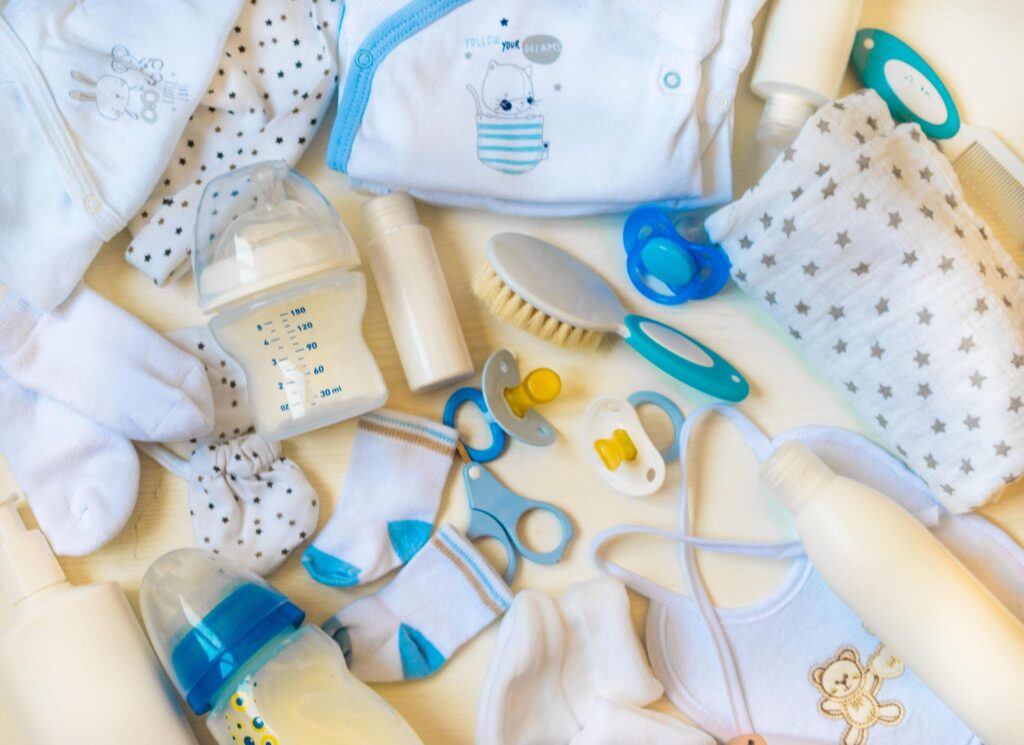
Becoming a parent is one of life’s most exciting experiences, but it can also feel overwhelming. If you’re searching for newborn baby care tips, these newborn baby care tips are designed to help first-time parents confidently navigate feeding, sleep, hygiene, and safety during the first month. you’re likely wondering whether you’re feeding your baby correctly, helping them sleep safely, or providing the right care during those crucial first weeks.

The good news is that newborn care doesn’t have to be complicated. By focusing on feeding, sleep, hygiene, bonding, and safety, you can help your baby thrive while building confidence as a parent.
Newborn Care at a Glance
✔ Feed every 2–3 hours
✔ Expect 14–17 hours of sleep daily
✔ Change diapers frequently
✔ Practice safe sleep habits
✔ Keep the umbilical cord clean and dry
✔ Schedule regular pediatric checkups
Welcome to Parenthood: Understanding Your Newborn’s First 28 Days
Before diving into specific newborn baby care tips, it’s important to understand how babies adapt during their first month. The first month of a baby’s life is known as the newborn period. During this stage, your newborn is adjusting to life outside the womb while experiencing rapid physical and developmental changes.
A healthy newborn typically sleeps for 14–17 hours a day, feeds every 2–3 hours, and communicates primarily through crying. While every baby develops at their own pace, frequent feeding, regular sleep, and responsive caregiving form the foundation of newborn care.
According to the World Health Organization (WHO), the neonatal period—the first 28 days—is the most critical time for a child’s survival and healthy development.
Feeding Your Newborn: Breastfeeding and Formula Feeding Essentials
Nutrition is one of the most important aspects of newborn care. Among the most important newborn baby care tips is ensuring your baby receives adequate nutrition through breastfeeding or formula feeding.
Breastfeeding Basics
Breastfeeding is often considered the gold standard for infant nutrition because it provides the ideal balance of nutrients and antibodies. These antibodies help strengthen a newborn’s immune system and may reduce the risk of common childhood infections.
 Benefits include:
- Stronger immunity
- Easier digestion
- Reduced risk of infections
- Enhanced mother-baby bonding
Formula Feeding Essentials
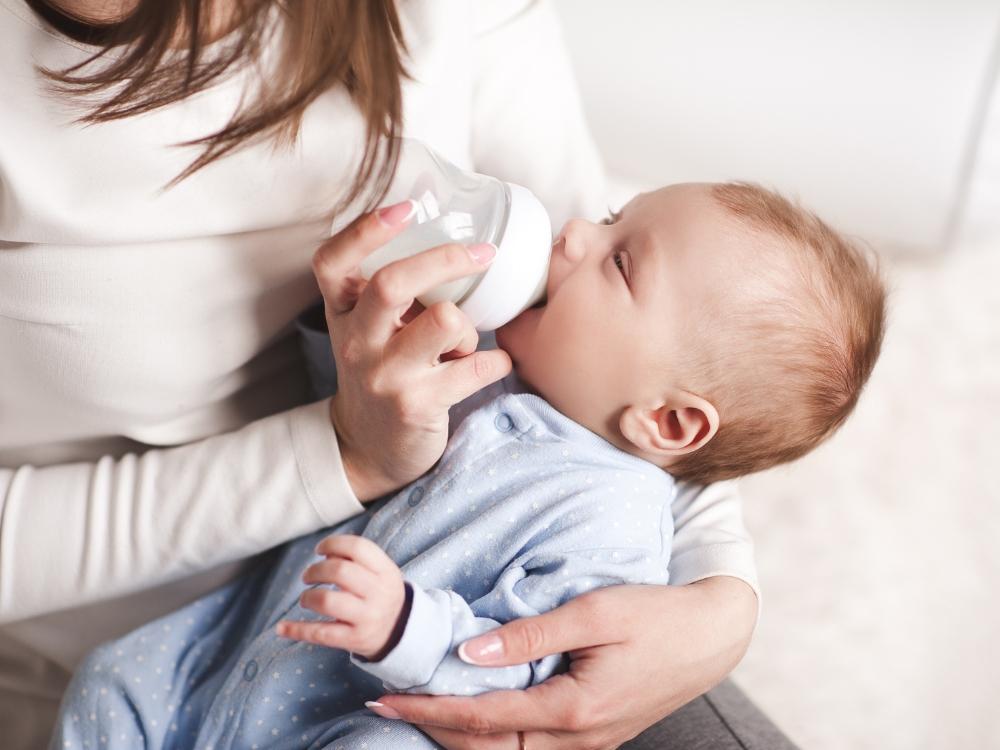
Formula feeding is a safe alternative when breastfeeding isn’t possible or sufficient.
Parents should:
- Prepare formula according to instructions
- Sterilize feeding bottles properly
- Store prepared formula safely
- Follow pediatrician recommendations
Signs Your Baby Is Feeding Well
Look for:
- 6–8 wet diapers daily
- Steady weight gain
- Alertness during waking hours
- Contentment after feeding
According to UNICEF, only about 48% of infants worldwide are exclusively breastfed for the first six months.
Newborn Sleep Secrets: Safe Sleep Tips Every Parent Should Know

Sleep plays a major role in growth and brain development. Safe sleep practices are one of the most recommended newborn baby care tips by Pediatricians worldwide.
How Much Sleep Does a Newborn Need?
Most newborns sleep between 14 and 17 hours daily, although sleep is usually broken into short periods. While sleep patterns vary from baby to baby, understanding age-appropriate sleep expectations can make parenting much easier. You may also find our Baby Sleep Schedule by Age (0–12 Months) helpful for creating healthy sleep habits and nap routines.
The ABC Rule of Safe Sleep
Experts recommend:
- Alone
- Back
- Crib
Your baby should sleep alone on their back in a firm crib without pillows, blankets, or stuffed toys.
Avoid Common Sleep Mistakes
Avoid:
- Soft mattresses
- Loose bedding
- Overheating
- Sleeping on sofas or couches
Safe sleep recommendations from the American Academy of Pediatrics (AAP) help reduce the risk of sleep-related infant deaths, help reduce the risk of Sudden Infant Death Syndrome (SIDS).
Bath Time Basics: How to Keep Your Newborn Clean and Comfortable
Many parents worry about giving their baby’s first bath. Gentle bathing routines are another essential part of effective newborn baby care tips.
When Should You Bathe a Newborn?
Until the umbilical cord stump falls off, sponge baths are generally recommended.
Bathing Tips
- Use lukewarm water
- Support the baby’s head and neck
- Use fragrance-free baby cleansers
- Keep bath sessions short
Newborns usually only need 2–3 baths per week.
Diapering Made Easy: A New Parent’s Survival Guide
Diaper changes become a regular part of daily life. Proper diaper hygiene is one of the daily newborn baby care tips every parent should master.
Diapering Best Practices
- Change diapers promptly
- Clean the diaper area gently
- Allow the skin to dry before putting on a fresh diaper
Preventing Diaper Rash
To reduce irritation:
- Change diapers frequently
- Use barrier creams when necessary
- Allow diaper-free time occasionally
Monitoring diaper output also helps parents assess hydration and feeding success. Frequent diaper changes not only keep your baby comfortable but also help prevent skin irritation. If your little one develops redness or discomfort, read our guide on Common Causes of Diaper Rash and Prevention Tips for practical solutions.
Umbilical Cord Care: Do’s, Don’ts, and Warning Signs
The umbilical cord stump typically falls off within one to three weeks.
Do
- Keep the area clean and dry
- Fold diapers below the stump
- Allow natural healing
Don’t
- Pull the stump
- Apply home remedies
- Cover the area tightly
Warning Signs
Contact your pediatrician if you notice:
- Redness spreading around the cord
- Foul-smelling discharge
- Swelling
- Fever
The Power of Skin-to-Skin Contact and Early Bonding
Skin-to-skin contact involves placing your newborn directly against your chest.
Benefits include:
- Better temperature regulation
- Improved breastfeeding success
- Reduced stress for both parent and baby
- Enhanced emotional bonding
Research shows that early skin-to-skin contact can improve breastfeeding outcomes and support healthy development.
Newborn Health Red Flags: When to Call the Doctor
Most newborn behaviors are normal, but some symptoms require medical attention. Parents can also explore newborn health resources from UNICEF India for additional guidance on infant care and development.
Contact Your Doctor If Your Baby Has:
- Fever of 100.4°F (38°C) or higher
- Difficulty breathing
- Poor feeding
- Extreme sleepiness
- Persistent vomiting
- Signs of dehydration
Watch for Jaundice
Mild jaundice is common in newborns, but worsening yellowing of the skin or eyes should be evaluated by a healthcare professional.
Essential Newborn Safety Tips for Home and Travel
Safety should be part of every newborn care routine.
At Home
- Wash hands before handling the baby
- Keep small objects away
- Maintain a smoke-free environment
During Travel
- Always use a rear-facing car seat
- Secure the seat correctly
- Never hold the baby in your lap while driving
Safe Handling
Always support your newborn’s head and neck because neck muscles are not yet fully developed. Following these newborn baby care tips can help reduce common household risks.
Frequently Asked Questions About Newborn Baby Care
How often should I feed my newborn?
Most newborns need feeding every 2–3 hours.
How many diapers should a newborn use each day?
Typically 6–8 wet diapers daily after the first few days.
How often should I bathe my newborn?
Usually 2–3 times per week is sufficient.
Is it normal for newborns to sleep all day?
Yes, newborns commonly sleep 14–17 hours daily.
When does the umbilical cord fall off?
Usually within 1–3 weeks after birth.
Is skin-to-skin contact necessary?
It is highly beneficial for bonding, breastfeeding, and emotional development.
[Medical Disclaimer: This article is for educational purposes only and should not replace professional medical advice. Always consult your pediatrician regarding concerns about your baby’s health.]
Conclusion
The first few weeks of parenthood can feel challenging, but following proven newborn baby care tips can help you care for your baby with confidence. Focus on proper feeding, safe sleep, gentle bathing, diaper hygiene, umbilical cord care, and meaningful skin-to-skin contact. As you learn your baby’s unique needs, you’ll become more comfortable and confident in your parenting journey. Remember, every newborn develops differently, and seeking professional advice whenever you have concerns is always the best approach. Following these newborn baby care tips consistently can help your baby stay healthy, comfortable, and safe during the first month of life.
Stay tuned with Zaid&Mama for more tips.