

Every parent wants their baby to stay happy, comfortable, and rash-free. Yet diaper rash remains one of the most common skin concerns during infancy. If you’re searching for the best diaper rash treatment baby solutions, understanding the causes and prevention strategies is the first step toward protecting your little one’s delicate skin.
Studies estimate that nearly 1 in 3 babies experience diaper rash at some point, especially between 9 and 12 months of age. Fortunately, most cases are mild and can be treated effectively at home with proper hygiene and skin care practices. New parents may also benefit from reading our Newborn Baby Care Guide.
What Is Diaper Rash in Babies?
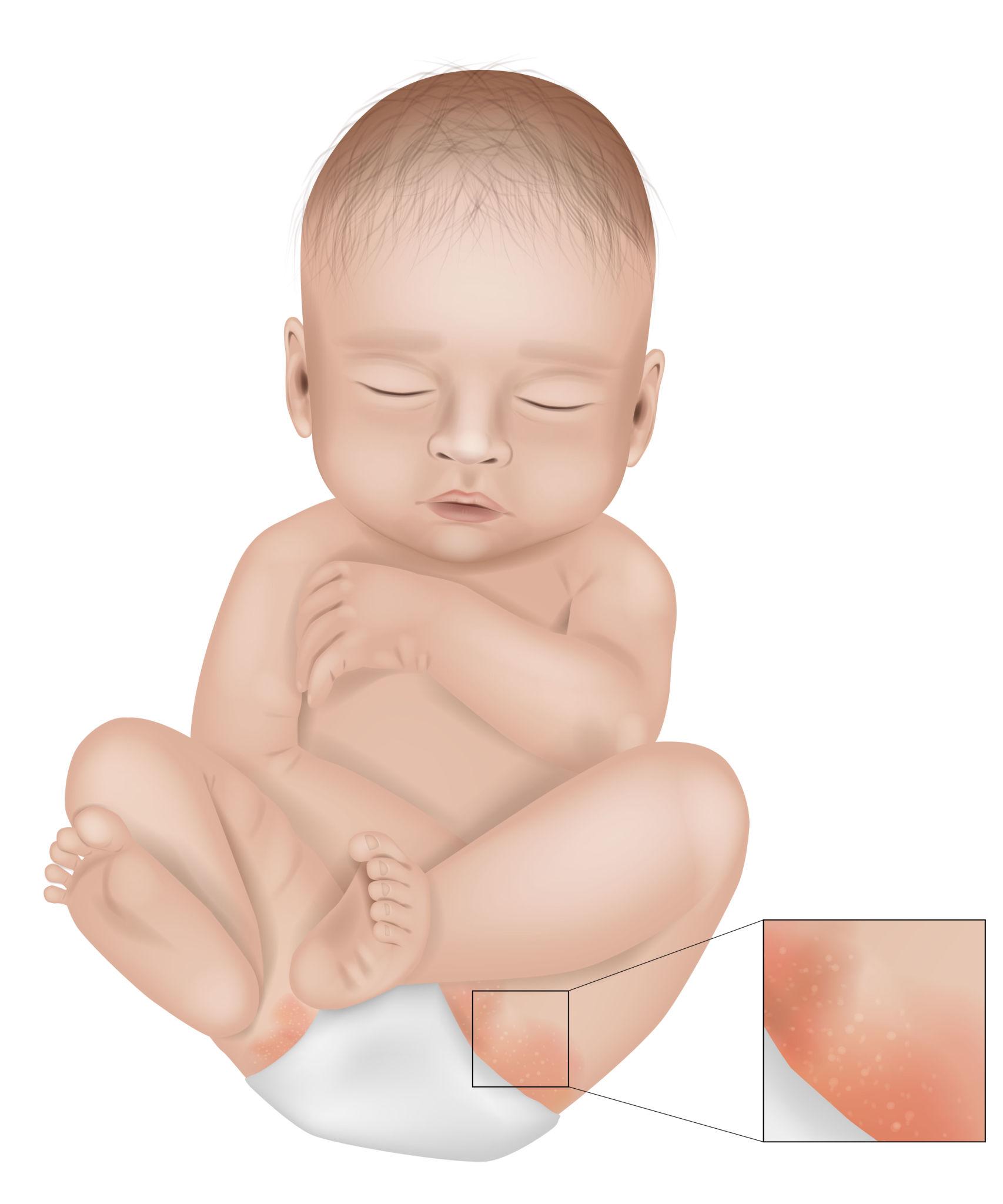
Diaper Rash is a form of skin irritation that develops in areas covered by a diaper. It appears as redness, inflammation, tenderness, or small bumps around the baby’s bottom, thighs, and genital area.
The condition occurs when moisture, friction, urine, stool, or irritants weaken the skin’s protective barrier. Babies have thinner and more sensitive skin than adults, making them particularly vulnerable to irritation.
Common symptoms include:
- Red or pink patches
- Warm or inflamed skin
- Fussiness during diaper changes
- Dry or peeling skin
- Small red bumps
The good news is that most diaper rashes improve quickly when addressed early. Understanding diaper rash symptoms early can help parents choose the right diaper rash treatment baby approach before the condition worsens. According to the American Academy of Pediatrics, diaper rash is one of the most common skin conditions affecting infants. Learn more from the American Academy of Pediatrics.
Common Causes of Diaper Rash in Babies
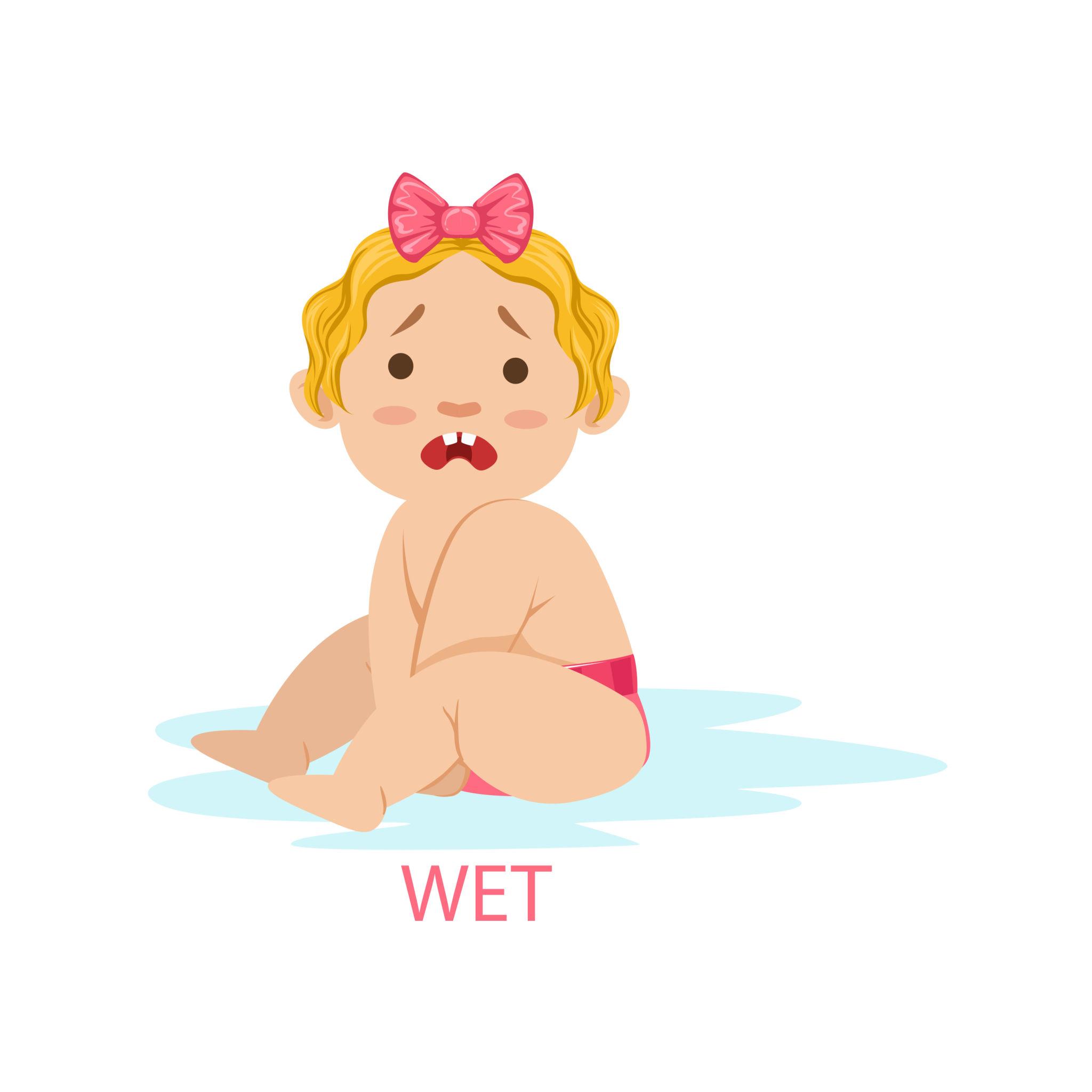
Understanding why diaper rash occurs helps parents prevent recurring flare-ups. Identifying the underlying cause is important because the most effective diaper rash treatment baby strategy depends on what triggered the rash.
1. Wet or Soiled Diapers Left Too Long
Prolonged exposure to urine and stool is the leading cause of diaper rash. Moisture softens the skin and makes it more susceptible to damage.
Frequent diaper changes are one of the simplest and most effective preventive measures.
2. Chafing and Friction
A diaper that is too tight can rub against the skin repeatedly, causing irritation and redness.
Friction-related rashes are especially common in active babies who crawl or walk.
3. Sensitive Skin Reactions
Some babies react to:
- Baby wipes
- Detergents
- Lotions
- Soap residues
- New diaper brands
Choosing fragrance-free products can help minimize irritation.
4. Candida Infection
A Candida Infection occurs when yeast grows excessively in the warm, moist diaper area.
Unlike regular diaper rash, yeast-related rashes often:
- Appear bright red
- Spread into skin folds
- Develop small satellite bumps
- Persist despite routine treatment
5. Antibiotic Use
Antibiotics can disrupt healthy bacteria that normally keep yeast growth under control, increasing the risk of fungal diaper rash.
Diaper Rash Treatment Baby: What Works Fast?
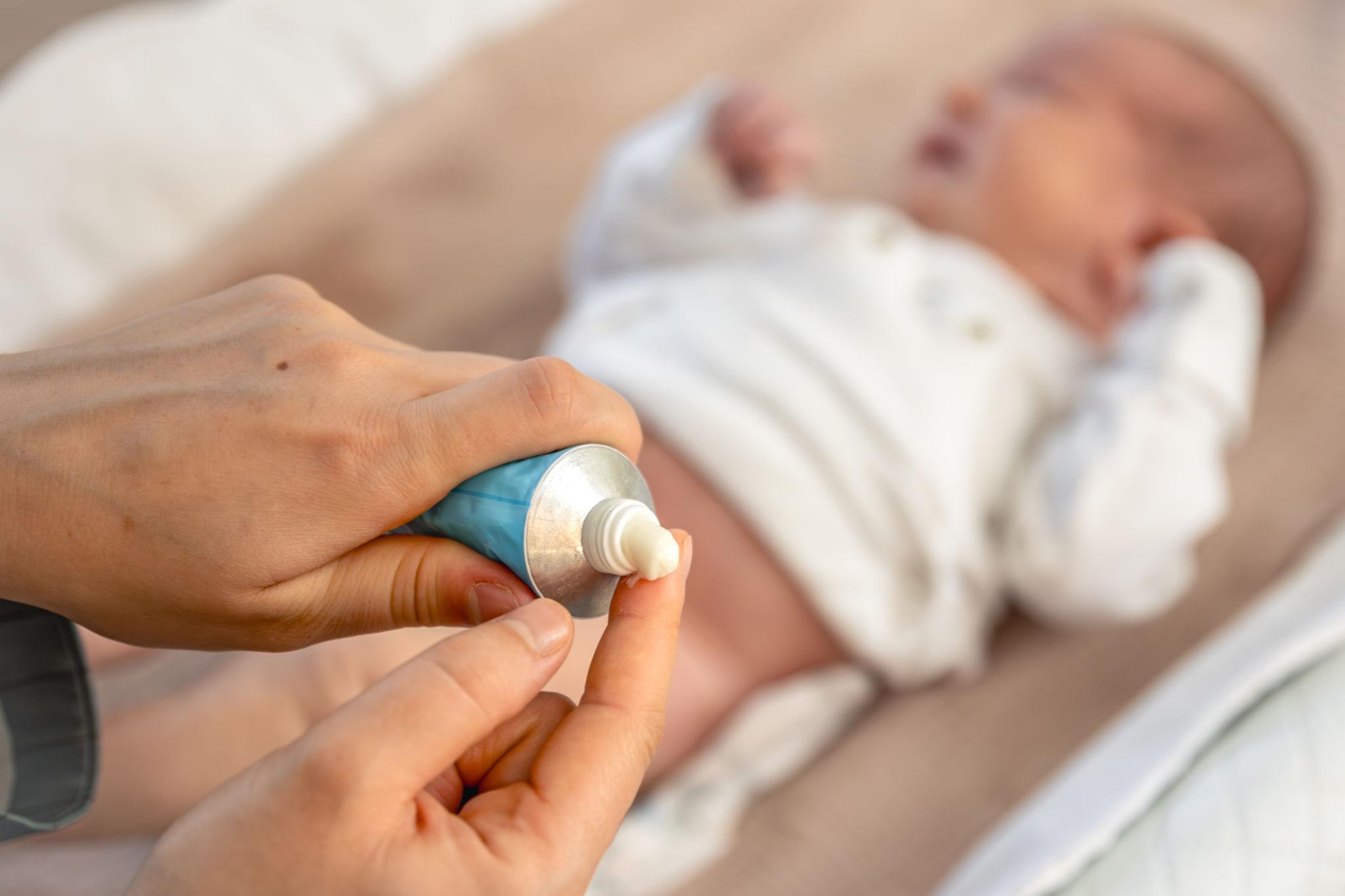
Most diaper rashes respond well to a combination of cleanliness, dryness, and protective skin barriers. Parents look for a diaper rash treatment baby remedy that provides fast relief while protecting sensitive skin.
Use Zinc Oxide Cream
Zinc Oxide Cream is considered the gold standard for diaper rash treatment.
Benefits include:
- Creates a moisture barrier
- Reduces skin irritation
- Supports healing
- Protects sensitive skin
Apply a thick layer after every diaper change. Zinc oxide cream is often considered the first-line diaper rash treatment baby solution for mild to moderate cases.
Apply Petroleum Jelly
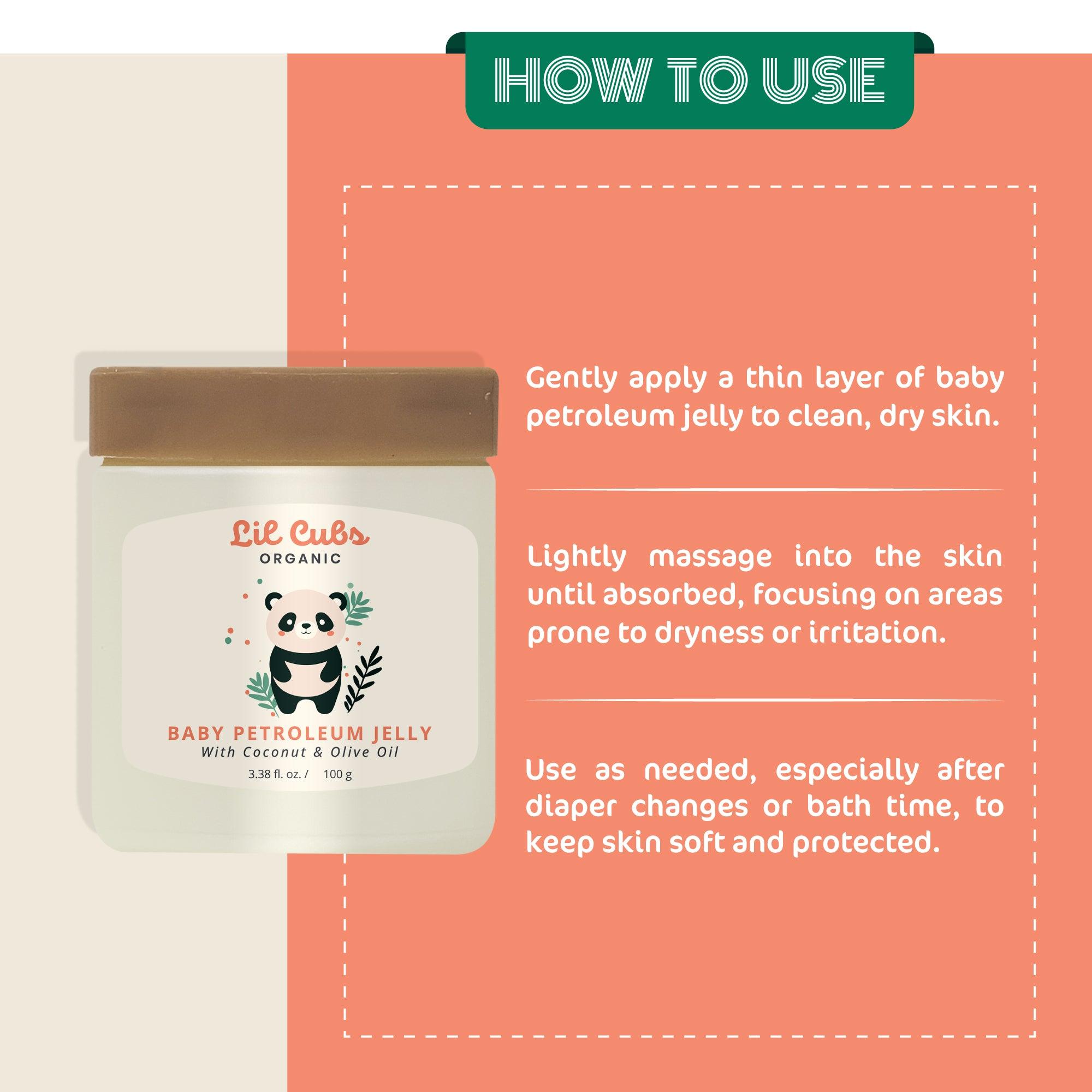
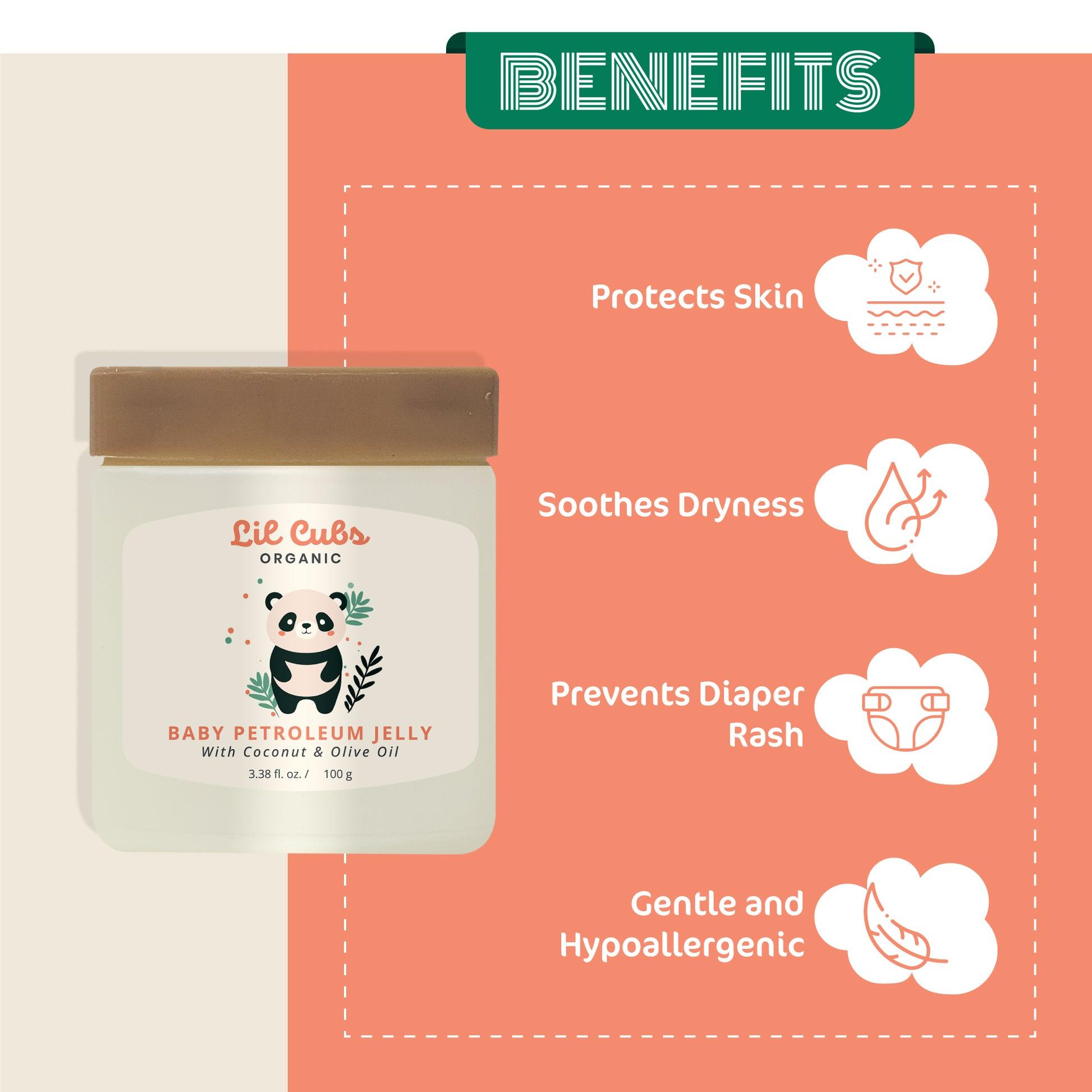
Petroleum Jelly helps lock out moisture and reduce friction between the diaper and skin.
Many pediatricians recommend it as both a treatment and preventive measure. Petroleum jelly can also be an effective diaper rash treatment baby option when used regularly during diaper changes.
Clean Gently
Instead of scrubbing, gently clean the diaper area using:
- Soft cloths
- Cotton pads
- Lukewarm water
Avoid products containing alcohol or strong fragrances.
Allow the Skin to Air Out
Fresh air helps reduce moisture buildup and promotes healing.
Allow your baby several short sessions of diaper-free time each day.
Avoid Overwashing
Excessive washing can strip natural skin oils and worsen irritation.
Clean only when necessary and keep the routine gentle.
When Home Treatment Isn’t Enough
If symptoms persist beyond several days, medical advice may be required. The Cleveland Clinic provides guidance on identifying yeast-related diaper rashes and when medical treatment may be necessary.
A healthcare provider may recommend:
- Prescription antifungal creams
- Mild Hydrocortisone Cream
- Antibiotics if bacterial infection develops
Always consult a professional before using medicated creams on infants. The Mayo Clinic recommends frequent diaper changes and barrier creams containing zinc oxide for diaper rash management
10 Prevention Tips for Healthy Baby Skin
Following preventive hygiene habits can reduce the need for frequent diaper rash treatment baby products.
1. Change Diapers Frequently
Check diapers regularly and change them promptly.

2. Use Warm Water Cleaning
Warm Water Cleaning removes irritants without causing additional irritation.
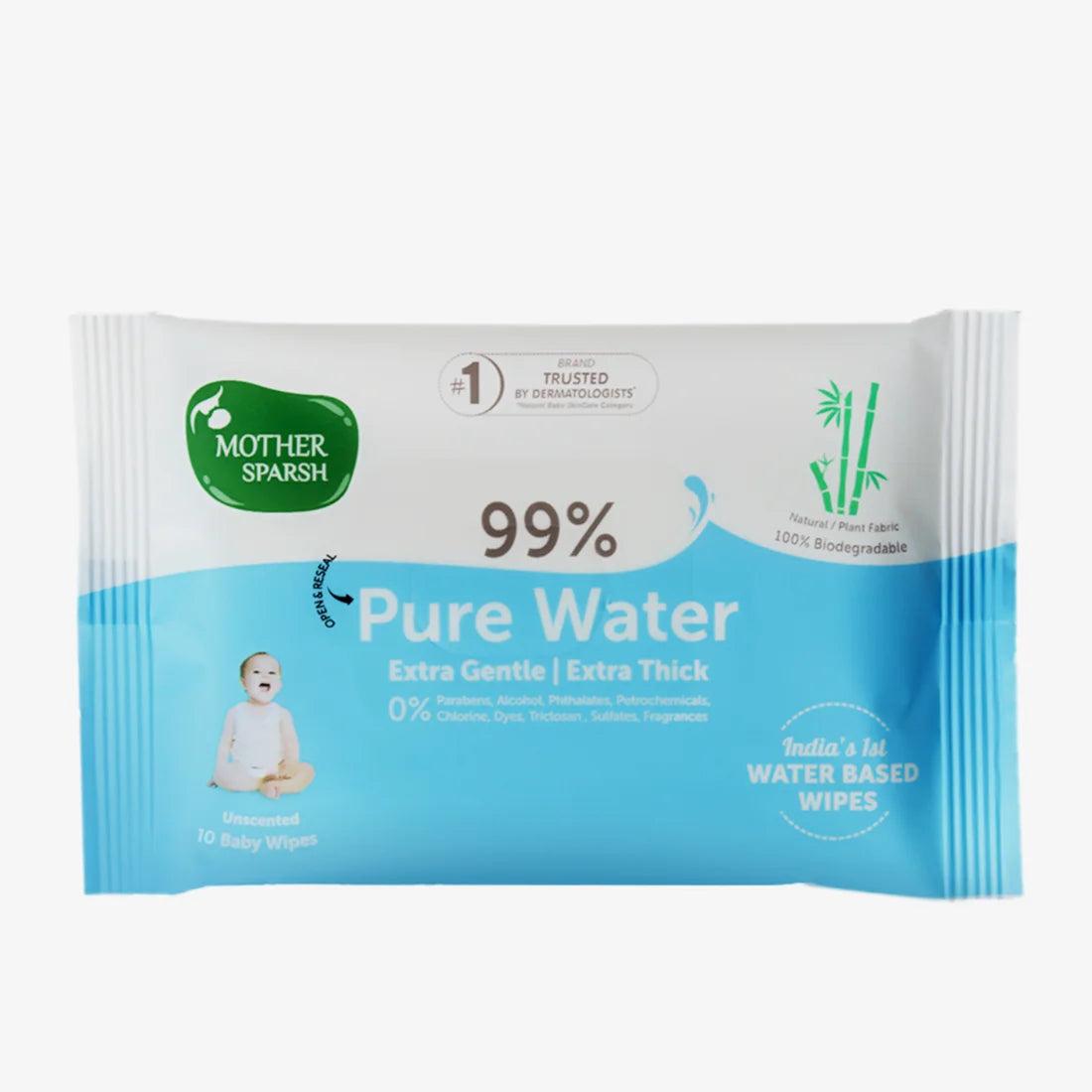
3. Choose Fragrance-Free Wipes
Fragrance-Free Wipes reduce exposure to chemicals that may trigger sensitive skin reactions.
4. Give Daily Diaper-Free Time
A few minutes of Diaper-Free Time throughout the day allows the skin to breathe and stay dry.
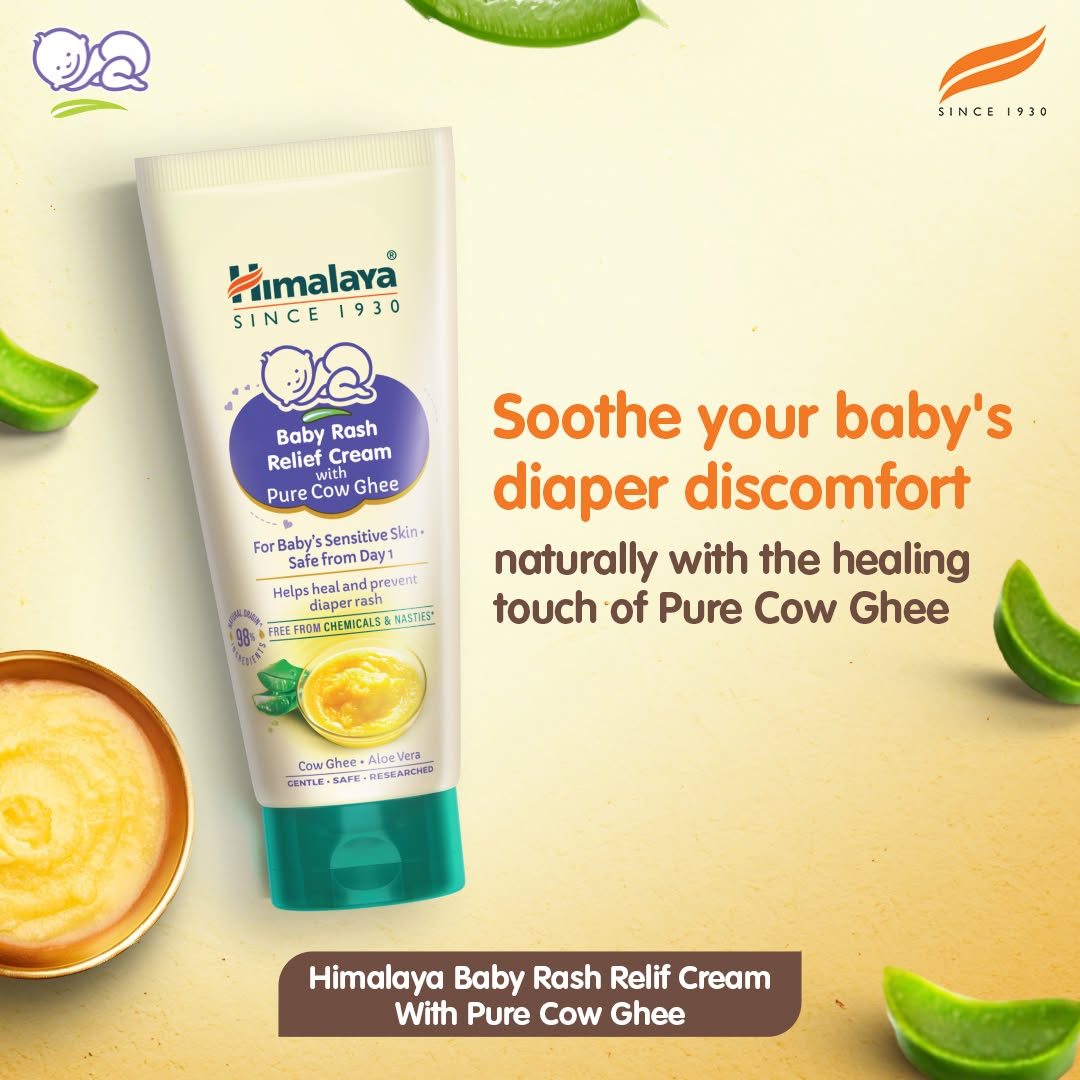
5. Use Barrier Creams Preventively
Applying a thin layer of zinc oxide cream can help prevent irritation before it starts.
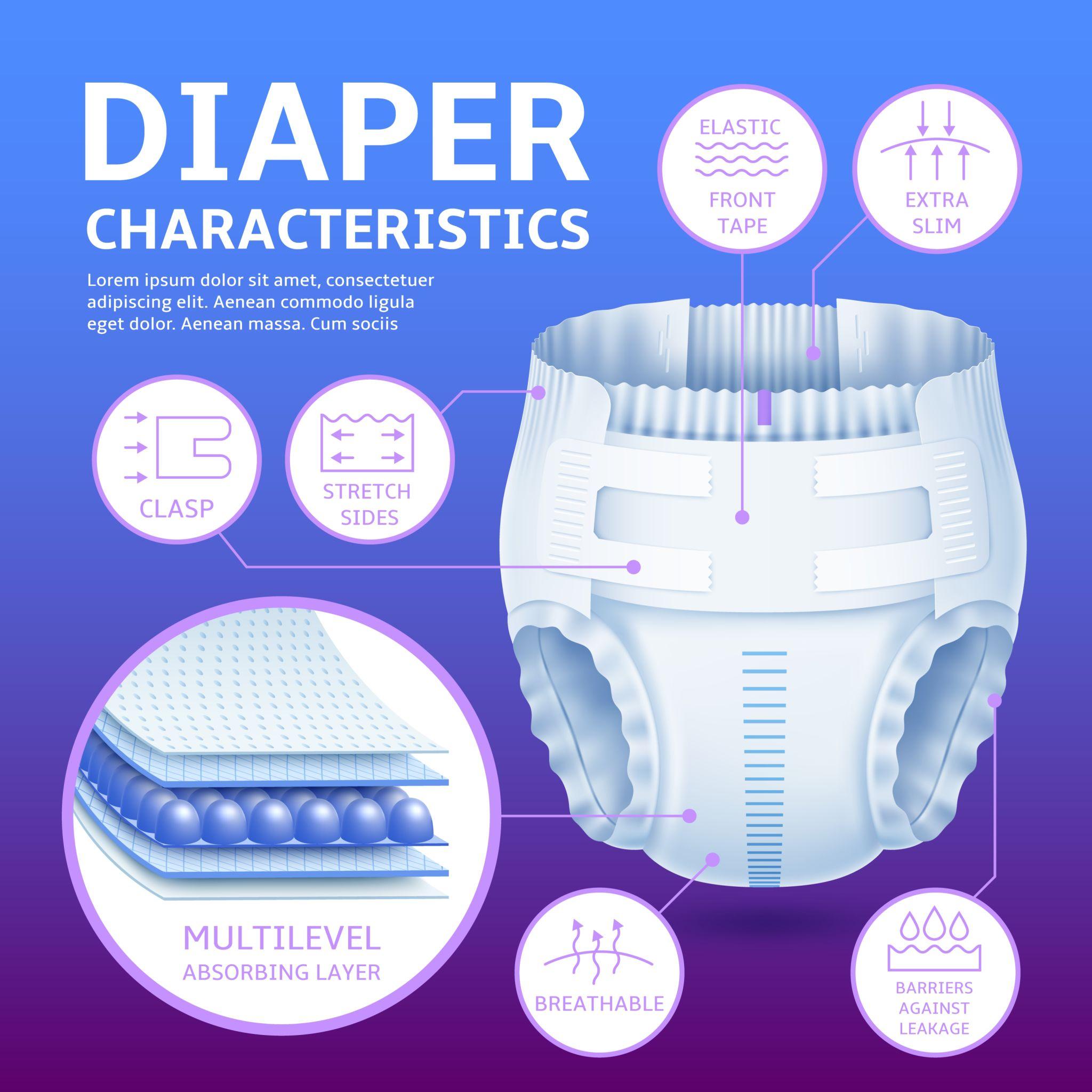
6. Select Highly Absorbent Disposable Diapers
Modern Disposable Diapers are designed to wick moisture away from the skin, reducing rash risk. Choosing absorbent diapers is an important part of every diaper rash treatment baby and prevention routine.
7. Avoid Tight Diapers
A comfortable fit minimizes friction and improves airflow.
8. Introduce New Products Slowly
Test one new product at a time so you can identify potential irritants.
9. Pat Dry Instead of Rubbing
Gentle patting protects the skin barrier and reduces friction.
10. Wash Hands Before and After Changes
Proper hygiene helps reduce the spread of bacteria and yeast.
When to Call a Doctor for Baby Diaper Rash

Most diaper rashes improve within a few days. However, consult a Pediatrician if:
- The rash lasts longer than 3–4 days
- Fever develops
- Blisters or open sores appear
- The rash spreads beyond the diaper area
- You suspect a Candida Infection
- Your baby appears unusually uncomfortable
A pediatrician can determine whether prescription treatment is needed. If standard diaper rash treatment baby methods fail to improve symptoms, consult a pediatrician. Parents can also refer to guidance from the National Health Service (NHS) regarding symptoms that require professional care.
Parents should also stay updated with the Baby Vaccination Schedule India to support overall infant health.
Frequently Asked Questions About Diaper Rash Treatment Baby
1. How long does diaper rash take to heal?
With proper diaper rash treatment baby care, mild cases typically improve within 2–3 days.
2. What is the fastest diaper rash treatment baby remedy?
Frequent diaper changes, zinc oxide cream, and diaper-free time are among the fastest diaper rash treatment baby strategies.
3. Can diaper rash go away on its own?
Mild cases may improve naturally, but appropriate diaper rash treatment baby care speeds healing and prevents complications.
Final Thoughts
Diaper rash is common, but it doesn’t have to become a recurring problem. By understanding the causes, using effective treatments such as Zinc Oxide Cream and Petroleum Jelly, and following proven prevention strategies like Fragrance-Free Wipes, Warm Water Cleaning, Diaper-Free Time, and absorbent Disposable Diapers, parents can keep their baby’s skin healthy and comfortable. When symptoms persist or worsen, seek guidance from a Pediatrician. Following these proven strategies will help you find the right diaper rash treatment baby solution while preventing future flare-ups.