

Welcoming a new baby into your family is exciting, but it also comes with many questions. Along with following a healthy newborn feeding schedule, parents should also understand sleep patterns. Read our Baby Sleep Schedule by Age (0–12 Months) guide to learn how feeding and sleep work together.. One of the most common concerns for new parents is understanding the right newborn feeding schedule. How often should your baby eat? Is breastfeeding different from formula feeding? Should you wake a sleeping baby for feeds?
A healthy newborn feeding schedule is essential because newborns grow rapidly during their first few months of life. According to the Centers for Disease Control and Prevention (CDC), most newborns need to eat 8–12 times within a 24-hour period. This usually means feeding every 2–3 hours, including overnight.
Editorial Note: This article is based on guidance from the CDC, Mayo Clinic, American Academy of Pediatrics (AAP), and KidsHealth. While this guide provides general information about newborn feeding schedules, always consult your pediatrician for personalized advice.
How Often Should You Feed a Newborn Baby?
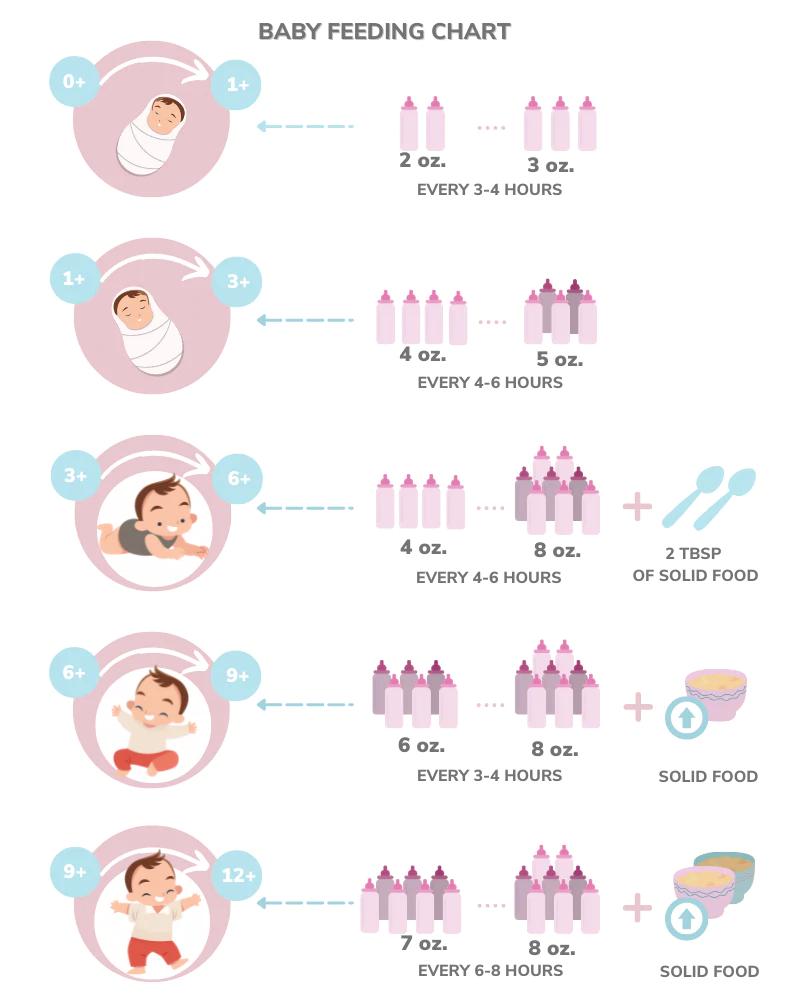
The ideal newborn feeding schedule depends on your baby’s age, feeding method, and growth needs. During the first few weeks, newborns should be fed on demand whenever they show signs of hunger rather than following a strict timetable.
Most newborn babies require:
- 8–12 feedings every 24 hours
- Feeding every 2–3 hours
- Frequent overnight feeds
- Responsive feeding based on hunger cues
A newborn’s stomach is tiny:
| Baby’s Age | Stomach Size |
| Day 1 | Cherry (5–7 ml) |
| Day 3 | Walnut (22–27 ml) |
| 1 Week | Apricot (45–60 ml) |
| 1 Month | Egg (80–150 ml) |
Because their stomach capacity is small, a regular newborn feeding schedule involves frequent feeding sessions throughout the day and night. According to the CDC’s Infant and Toddler Nutrition guidelines, most newborns require frequent feeding throughout the day and night to support healthy growth.
Newborn Feeding Schedule by Age (0–8 Weeks)
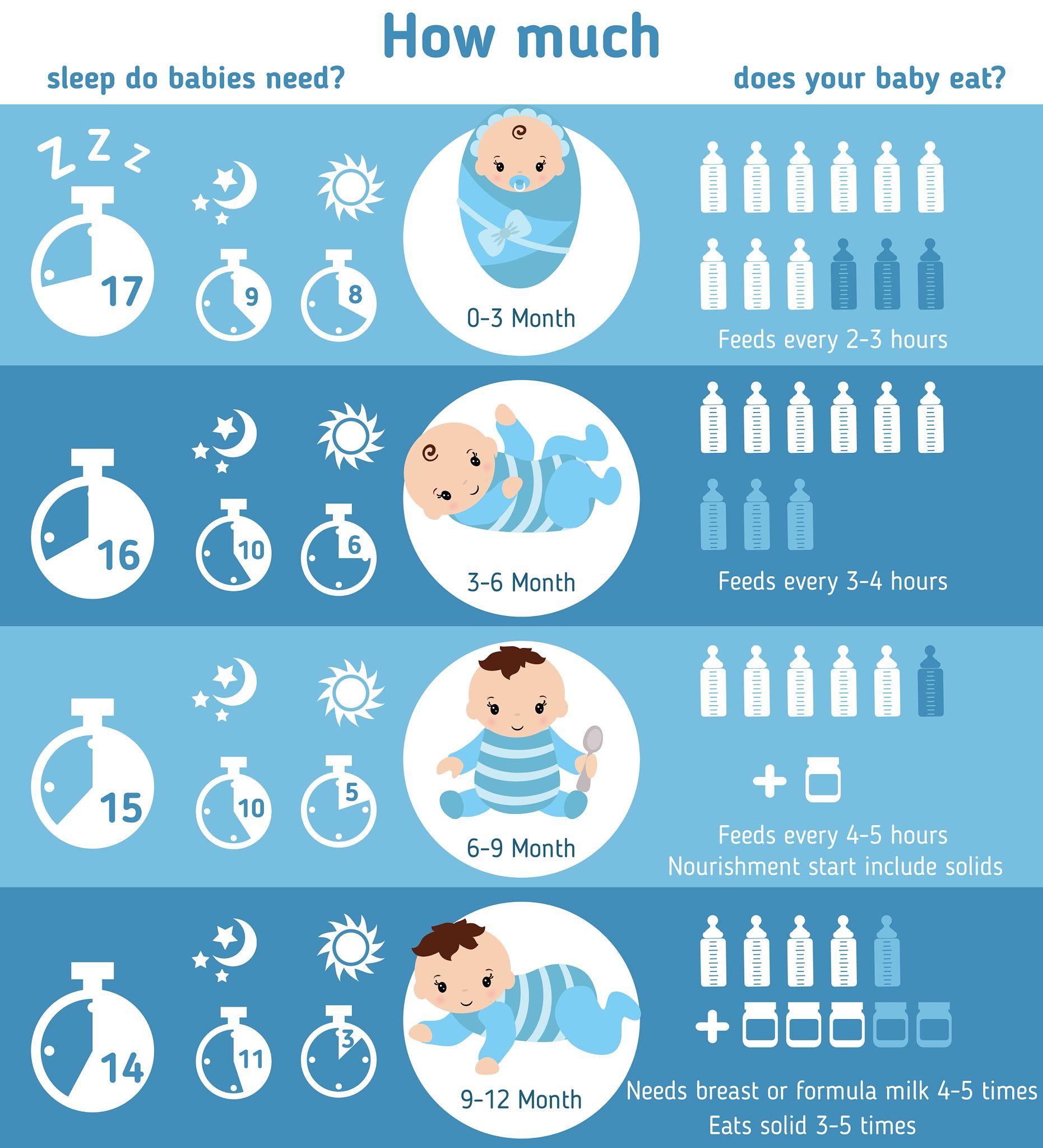
Understanding how feeding patterns change during the first two months can help parents establish a realistic newborn feeding schedule.
Feeding Schedule: Birth to 1 Week
During the first few days after birth, mothers produce colostrum, often called “liquid gold.” Colostrum is packed with nutrients, antibodies, and immune-supporting compounds.
Typical newborn feeding schedule during this stage:
- Every 2–3 hours
- 8–12 feeds per day
- Breastfed babies may feed even more frequently
- Babies should not sleep longer than 3 hours without feeding
Many newborns lose 5–10% of their birth weight during the first week, which is normal. Regular feeding helps them regain weight quickly.
Feeding Schedule: 2–4 Weeks
By the second week, milk supply increases and babies become more efficient at feeding.
Typical schedule:
- Every 2–3 hours
- 8–10 feeds per day
- Cluster feeding may occur during evenings
- Growth spurts can temporarily increase feeding frequency
If you are breastfeeding, frequent nursing helps maintain milk production and supports healthy infant growth.
Feeding Schedule: 1–2 Months
At one month of age, babies begin consuming larger amounts during each feeding.
Typical newborn feeding schedule:
- Every 3–4 hours
- 7–9 feeds daily
- Longer sleep stretches may begin
- Feeding sessions become more predictable
Formula-fed babies may go slightly longer between feeds because formula takes longer to digest than breast milk.
Breastfeeding vs Formula Feeding Frequency
Whether you choose breastfeeding or formula feeding, the goal remains the same: ensuring your baby receives adequate nutrition.
Breastfeeding Schedule

Breast milk digests quickly, which means breastfed babies usually eat more often.
Typical breastfeeding schedule:
- Every 2–3 hours
- 8–12 feedings daily
- Some babies cluster feed during growth spurts
The American Academy of Pediatrics recommends exclusive breastfeeding for approximately six months whenever possible. The American Academy of Pediatrics recommends exclusive breastfeeding for about the first six months whenever possible.
Formula Feeding Schedule

Babies receiving formula milk often consume more per feeding.
Typical formula feeding schedule:
- Every 3–4 hours
- 6–8 feedings daily
- Longer intervals between feeds
Parents should pay attention to hunger and fullness cues instead of encouraging babies to finish every bottle. Mayo Clinic notes that formula-fed babies may go slightly longer between feedings because formula digests more slowly than breast milk.
Signs Your Baby Is Hungry
A successful newborn feeding schedule relies on recognizing hunger cues early.
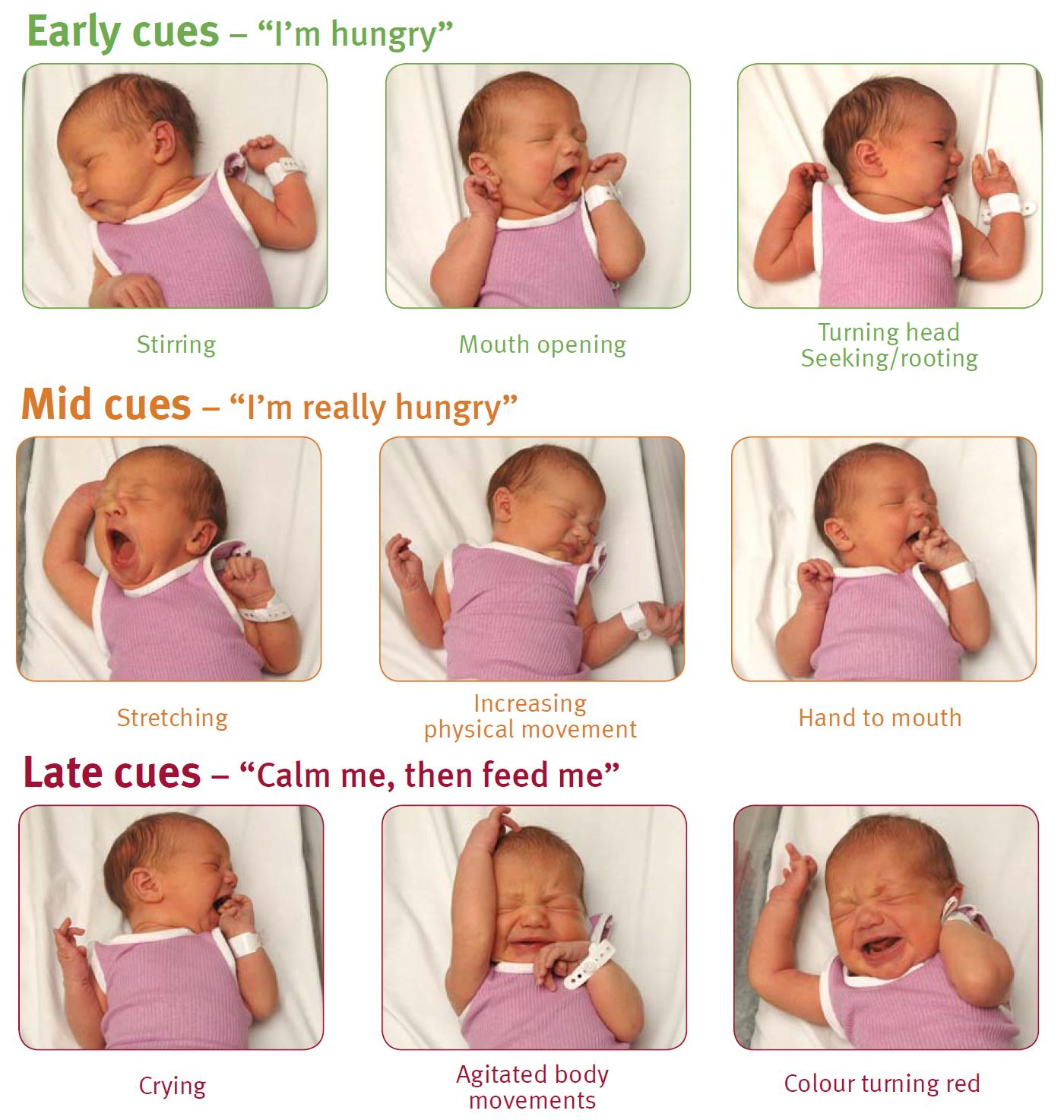
Common early hunger signs include:
- Rooting reflex
- Smacking lips
- Opening mouth
- Sucking on hands
- Turning head toward the breast or bottle
Late hunger signs include:
- Fussiness
- Increased body movement
- Crying
Feeding before crying begins often results in a calmer and more successful feeding session.
How Do You Know Your Baby Is Getting Enough Milk?
Many parents worry whether their baby is receiving enough nutrition.
Fortunately, there are several reliable indicators.
Wet Diapers
One of the easiest ways to evaluate a newborn feeding schedule is by tracking diaper output.
Expected wet diapers:
| Day | Wet Diapers |
| Day 1 | 1 |
| Day 2 | 2 |
| Day 3 | 3 |
| Day 4 | 4 |
| Day 5+ | 6 or more |
Consistent wet diapers generally indicate adequate hydration and feeding.
Healthy Weight Gain
Another important sign is weight gain.
Most babies:
- Regain birth weight by 10–14 days
- Gain approximately 150–200 grams per week during the first few months
Regular pediatric appointments help ensure your newborn feeding schedule supports healthy growth.
When Can Newborns Go 4 Hours Between Feedings?
One of the most frequently asked questions about a newborn feeding schedule is whether babies can sleep longer at night.
Most newborns should continue feeding every 2–3 hours until:
- Birth weight has been regained
- Weight gain is steady
- Your pediatrician approves longer intervals
Many babies begin sleeping 4-hour stretches between feeds around 6–8 weeks of age. However, every baby develops differently.
Always consult your pediatrician before intentionally extending feeding intervals.
8 Essential Newborn Feeding Schedule Tips for New Parents
Following a newborn feeding schedule becomes easier when parents focus on a few practical habits. These expert-backed tips can help ensure your baby receives adequate nutrition while reducing feeding-related stress.
1. Feed Your Baby on Demand
Watch for hunger cues rather than waiting for your baby to cry.
2. Aim for 8–12 Feedings Per Day
Most newborns need frequent feeds during the first few weeks.
3. Don’t Skip Night Feedings
Newborns typically need overnight nutrition to support healthy growth.
4. Learn Early Hunger Cues
Rooting, lip-smacking, and sucking on hands often appear before crying begins.
5. Track Wet and Dirty Diapers
Diaper output is one of the best indicators that your baby is feeding well.
6. Monitor Weight Gain
Regular weight gain is a strong sign that your newborn feeding schedule is working.
7. Avoid Overfeeding
Pay attention to signs of fullness, especially when bottle feeding.
8. Consult Your Pediatrician When Concerned
Always seek professional advice if you notice poor feeding, dehydration, or inadequate weight gain.
Newborn Feeding Schedule Week by Week
| Baby Age | Feeding Frequency | Breastfeeding | Formula |
|---|---|---|---|
| Week 1 | Every 2-3 hours | 8-12 feeds/day | 30-60 ml |
| Week 2-4 | Every 2-3 hours | 8-12 feeds/day | 60-90 ml |
| 1-2 Months | Every 3-4 hours | 7-9 feeds/day | 90-120 ml |
| 2-4 Months | Every 3-4 hours | 6-8 feeds/day | 120-150 ml |
Signs Your Baby Is Hungry
- Rooting reflex
- Putting hands in mouth
- Lip smacking
- Fussiness
Signs Your Baby Is Getting Enough Milk
- 6–8 wet diapers daily
- Steady weight gain
- Active and alert behaviour
Common Feeding Mistakes New Parents Make
- Waiting until baby cries
- Overfeeding formula
- Ignoring hunger cues
- Skipping night feeds
Frequently Asked Questions About Newborn Feeding Schedule
What is a normal feeding schedule for a newborn?
A normal newborn feeding schedule includes feeding every 2–3 hours or approximately 8–12 times in a 24-hour period.
When can newborns go 4 hours between feedings?
Many babies begin sleeping longer stretches between 6–8 weeks, provided they are gaining weight appropriately.
What is the 3-3-3 rule for breast milk?
The 3-3-3 rule refers to milk storage guidelines:
- 3 hours at room temperature
- 3 days in the refrigerator
- 3 months in the freezer
Should I wake my newborn to feed?
Yes. During the first few weeks, babies should generally not go longer than 3 hours without feeding unless instructed otherwise by a healthcare professional.
How many ounces should a newborn drink per feeding?
Typical intake:
- First week: 1–2 ounces
- Two weeks: 2–3 ounces
- One month: 3–4 ounces
Individual feeding needs vary.
What if my newborn always seems hungry?
Growth spurts often cause temporary increases in feeding frequency. If your baby has adequate wet diapers and weight gain, frequent feeding is usually normal.
Is cluster feeding normal?
Yes. Cluster feeding is common, especially during the first month and during growth spurts.
Note: Parents looking for additional feeding guidance can review evidence-based resources from KidsHealth.
Final Thoughts
Following an age-appropriate newborn feeding schedule helps ensure your baby receives the nutrition needed for healthy growth and development. Most newborns thrive when fed on demand every 2–3 hours, whether through breastfeeding or formula feeding. By paying attention to hunger cues, monitoring wet diapers, and tracking weight gain, parents can feel confident that their baby is getting enough nourishment.
Remember that every baby is unique. While this newborn feeding schedule provides general guidance, your baby’s needs may vary slightly. If you have concerns about feeding frequency, weight gain, or milk intake, consult your pediatrician. A responsive and consistent newborn feeding schedule is one of the most important foundations for a healthy start in life.
New parents may also find our guides on Newborn Baby Care Tips and Baby Vaccination Schedule in India helpful during the first year of parenting.